
Treat the infection and keep a restorable tooth
Root canal treatment, also called endodontic treatment, removes inflamed or infected pulp from inside a tooth. The canals are cleaned, shaped and sealed, and the tooth is then restored. The aim is to retain a tooth that would otherwise be at risk of extraction, provided it can be treated and rebuilt.
- Endodontics
- Treatment of the tissues inside a tooth
- Root canals
- Cleaning and sealing the canal system
- Magnification
- Microscope-assisted assessment and treatment
When might you need root canal treatment?
Deep decay, a crack, injury or a leaking restoration can affect the pulp. Symptoms may include prolonged sensitivity to hot or cold, spontaneous pain, tenderness on biting, swelling or a small draining spot on the gum. Some affected teeth have few or no symptoms. An examination and appropriate imaging help establish the diagnosis.
How treatment is carried out
- Assessment
We examine the tooth, review images and assess whether it can be restored.
- Anaesthetic and isolation
Local anaesthetic controls pain and a rubber dam isolates the tooth.
- Access
The dentist opens the tooth to locate the canal entrances.
- Cleaning
The canals are shaped and disinfected.
- Sealing
The prepared canals are filled, including with warm gutta-percha where appropriate.
- Restoration
The tooth needs a sealed restoration and, where indicated, protection with a crown or onlay.
Radiographs help with planning and checking treatment. The number and length of appointments depend on the tooth, anatomy and presence of infection. Computer-controlled local anaesthetic is available at ProDent.
Why use a microscope?
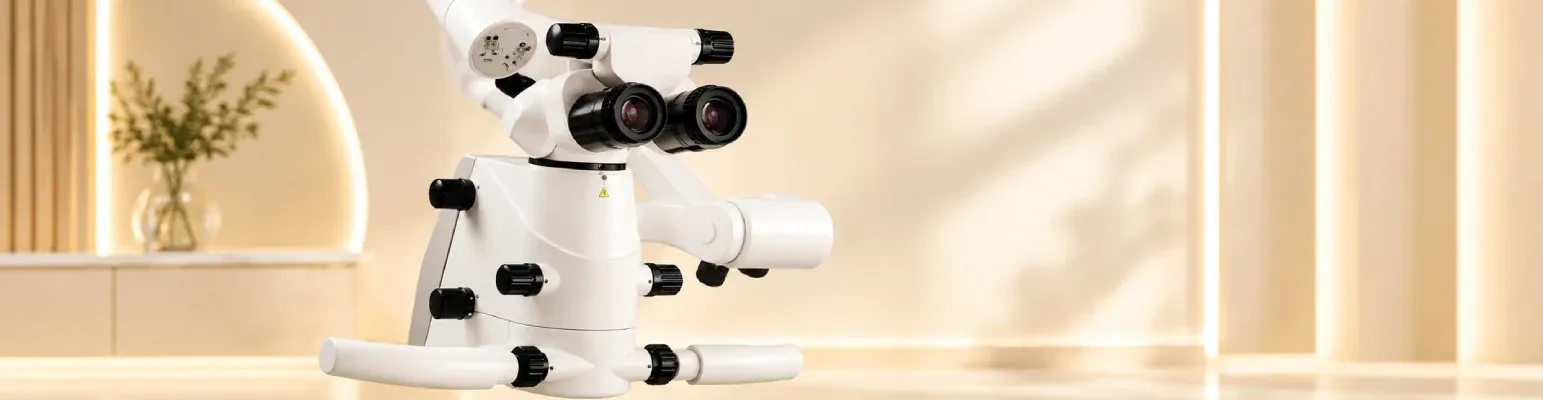
Our ZUMAX OMS 2380 microscope provides magnification and illumination. It helps the dentist locate canals and work with complex anatomy. It can also assist with retreatment or attempts to remove a separated instrument. Magnification supports treatment but cannot guarantee that every tooth can be saved.
Retreatment and complex cases
A previously root-filled tooth may need further treatment if infection persists or returns. Retreatment involves assessing the cause and, when appropriate, removing the old filling material, cleaning and sealing the canals again. Removing a separated instrument is a separate procedure and is not always possible or advisable.
If conventional treatment is unlikely to succeed, the options may include root-end surgery or extraction. We discuss the outlook, alternatives and costs before proceeding.
Restoring the tooth afterwards
A root filling is only one part of treatment. Loss of tooth structure from decay, fractures and previous restorations can leave the tooth vulnerable. A well-sealed final restoration is necessary, and some teeth need an onlay or crown to protect them. See crowns and other restorations.
Root canal treatment prices
| Procedure | Price |
|---|---|
| Incisor or canine | $344 |
| Premolar | $395 |
| Molar | From $472 |
| Retreatment supplement | +$64 per canal |
| Removal of a separated instrument | From $268 |
| Composite restoration after root canal treatment | $140 |
| Root-end surgery | From $395 |
The required procedures and total estimate depend on the tooth. Check the root canal price list and discuss the restoration separately with your dentist.
After your appointment
Avoid chewing until the anaesthetic has worn off, and protect the tooth from heavy biting until it is definitively restored. Some tenderness can occur. Contact the clinic if pain increases, swelling develops or you feel unwell with a fever. Follow your individual aftercare instructions and attend recommended reviews.
Common questions
Is root canal treatment painful?
Treatment is usually performed under local anaesthetic. Tell the dentist if you feel pain during the procedure; additional measures may be needed. Temporary tenderness afterwards is possible.
How many appointments will I need?
This depends on the number and shape of the canals, infection and whether it is initial treatment or retreatment. The dentist will explain the expected stages after assessment.
Can the tooth still function without its pulp?
Yes. A successfully treated and restored tooth can remain functional, even though the pulp has been removed. It still needs cleaning and regular checks.
Is extraction the only alternative?
The alternatives depend on the diagnosis and whether the tooth can be restored. If extraction is necessary, we can discuss options for replacing it where appropriate.
Book an assessment or call 570 400 405. Read more about the procedure in the NHS guide to root canal treatment.